
Finishing a basement is one of the biggest upgrades you can make to your home. It’s also one of the easiest projects to mess up if you hire the wrong person. A basement finish isn’t just drywall and paint. It involves framing, electrical, plumbing, insulation, HVAC, structural considerations, and code compliance — all happening at the same time in a confined space. If one trade cuts corners, it affects everything else. So how do you choose the right contractor? Here’s what actually matters. 1. They Pull Permits (And Don’t Act Weird About It) In Utah, basement finishes that include electrical, plumbing, or bedrooms require permits. That’s not optional. If someone says: “You don’t really need one.” “It’ll just slow things down.” “We’ve done tons without permits.” That’s your cue to walk away. Permits protect you. They ensure: Electrical is safe Plumbing is installed correctly Bedrooms meet egress requirements Work is documented for resale When you go to sell your house, non-permitted work can cause serious issues with appraisals and buyer inspections. Saving a few thousand dollars now isn’t worth the headache later. A professional contractor should explain the permit process clearly — not avoid it. 2. They Give You a Detailed Scope — Not a One-Page Bid If you receive a proposal that says: “Finish basement – $72,000” That’s not a proposal. That’s a gamble. A real scope should outline: Number of outlets and switches Plumbing fixtures Insulation type Door styles Trim level Paint specifications Flooring allowance Cabinet allowance (if applicable) The more detailed the scope, the fewer surprises later. Most “budget blow-ups” happen because something wasn’t defined clearly in the beginning. Homeowners assume something is included. Contractor assumes it isn’t. Now everyone’s frustrated. Clarity up front prevents drama later. 3. They Understand Layout — Not Just Construction Some contractors can build exactly what’s drawn. Fewer can help you improve the layout before it’s built. A good basement layout: Feels open even with multiple rooms Minimizes hallway space Places plumbing intelligently Keeps ceiling height as high as possible Plans storage on purpose A bad layout technically passes inspection… but just feels off. You want someone who thinks through how your family will actually live in the space. Not just someone who can hang drywall straight. 4. They Communicate Clearly (This Matters More Than You Think) You’re going to be interacting with this person for 2–4 months. Pay attention to: Do they respond to texts and calls? Do they answer questions directly? Do they explain tradeoffs? Do they rush through conversations? Construction is messy. There will be small decisions along the way. You want a contractor who communicates before problems get big — not after. A calm, organized contractor usually runs a calm, organized project. Not always perfect — nothing in construction ever is — but steady. 5. They Don’t Race to Be the Cheapest If you get three bids and one is dramatically lower, something is missing. It might not be obvious yet — but it’s missing. Common things that get “left out” of low bids: Final electrical trims Adequate lighting Permit costs Cleanup Change order protections Cheapest upfront often becomes most expensive by the end. A professional contractor should be able to explain exactly why their number is what it is. 6. They Treat It Like an Investment — Not Just a Project A finished basement adds value to your home. But only if it’s done correctly and legally. The right contractor will think about: Resale value Appraisal considerations Bedroom classification rules Future flexibility of the space They won’t just ask, “What do you want?” They’ll also ask, “What’s your long-term plan with this house?” That question alone separates amateurs from professionals. Final Thought Choosing a basement contractor isn’t about finding someone who can technically build walls. Lots of people can do that. It’s about finding someone who: Plans thoroughly Communicates clearly Builds cleanly Protects your investment When done right, a basement finish should feel like it was always meant to be part of the house. Not like it was added later. Take your time choosing. Ask real questions. And don’t be afraid to walk away if something feels off. You’ll be living with the result for years.
If you’ve Googled “how much does it cost to finish a basement in Utah,” you’ve probably seen numbers all over the place. $20,000. $100,000. “It depends.” Super helpful, right? Here’s the real answer. In Utah County right now, most professionally finished basements fall between: $45–$60 per square foot for a basic finish $60–$85 per square foot for upgraded finishes $75-120 per square foot if you’re adding kitchens, separate entrances, or high-end features So a 1,000 SF basement usually lands somewhere between $45,000–$85,000 depending on layout and finish level. What affects price the most? Bathroom count (plumbing is not cheap) Ceiling height (ductwork and soffits matter more than people think) Electrical upgrades Custom features like wet bars or theaters Whether we’re fixing framing or foundation issues first A quick note: If someone gives you a square foot number over the phone without seeing the basement, they’re guessing. And guessing is how budgets get blown up later. If you want real numbers, it takes an in-person walkthrough and a detailed scope. That’s how we do it.

At Stewart Construction, we love when people choose us to help them renovate their homes. There are so many things that go into it, however, that many people feel overwhelmed by the project ahead of them. It can be hard to know what to expect or what is going on. So, here are five things we wish people knew about home renovations, from the perspective of a general contractor. 1. Proper Planning Saves Time and Money: One of the most crucial aspects of a successful home renovation project is thorough planning. We encourage homeowners to take the time to carefully plan out their renovation goals, budget, and timeline. Having a clear vision and realistic expectations from the beginning helps avoid costly changes and delays down the road. 2. Quality Materials Matter: Opting for high-quality materials might seem like a more significant initial investment, but it pays off in the long run. Durable materials not only enhance the overall aesthetics of your home but also reduce the need for frequent repairs or replacements. We advise our clients to prioritize quality over cheap alternatives to ensure their renovated space stands the test of time. 3. Budget Flexibility is Essential: While it's crucial to set a budget for your home renovation project, it's equally important to be flexible. Unforeseen issues or desired upgrades during the process may impact the initial budget. We recommend setting aside a contingency fund for unexpected expenses and being open to adjustments when necessary. 4. Professional Expertise Matters: DIY home renovation projects can be tempting to save money, but they can lead to costly mistakes and safety hazards if not executed correctly. Hiring a reputable and experienced home renovation company ensures that the job is done efficiently, adheres to building codes, and meets your expectations. It also saves you time and reduces stress. 5. Communication is Key: Open and consistent communication between homeowners and renovation professionals is vital throughout the entire process. We encourage clients to share their ideas, concerns, and preferences openly. This enables us to better understand their vision and make appropriate recommendations. Regular updates and feedback help ensure the renovation stays on track and aligns with the client's expectations. By keeping these key points in mind, homeowners can make more informed decisions and enjoy a smoother and more successful home renovation experience.

Welcome to the digital age, where advancements in technology have permeated every aspect of our lives. From smartphones to smart homes, the digital revolution has transformed the way we live, work, and play. It comes as no surprise, then, that the realm of home construction has also experienced a remarkable shift with the advent of innovative digital tools and techniques. Let's explore how the digital age is revolutionizing home construction and reshaping the way we renovate our living spaces. 1. Designing Dreams with Virtual Reality Gone are the days of relying solely on blueprints and 2D drawings to conceptualize home designs. With the integration of virtual reality (VR) technology, homeowners and renovators can now immerse themselves in a realistic virtual environment to experience their dream homes before they even exist. VR allows for interactive walkthroughs, enabling clients to visualize and make informed decisions about various aspects such as floor plans, finishes, and furniture placement. This not only enhances the design process but also minimizes costly surprises during construction. 2. 3D Printing: Redefining Construction Possibilities The advent of 3D printing has brought about a paradigm shift in the construction industry. This revolutionary technology enables the creation of complex architectural components, structural elements, and even entire houses using a layer-by-layer additive manufacturing process! 3D-printed homes offer numerous benefits, including reduced material waste, enhanced energy efficiency, and accelerated construction timelines. Additionally, 3D printing allows for greater customization and design freedom, enabling architects and renovators to explore bold and innovative ideas. 3. Building Information Modeling (BIM) Building Information Modeling (BIM) has emerged as a powerful tool in the digital age of construction. BIM encompasses a comprehensive digital representation of a building, integrating all aspects of design, construction, and operation into a single, coherent model. This holistic approach enables improved collaboration among architects, engineers, contractors, and clients, fostering better communication and coordination throughout the construction process. BIM facilitates enhanced visualization, clash detection, and accurate cost estimation, leading to streamlined workflows and reduced errors. 4. Internet of Things (IoT) and Smart Homes The Internet of Things (IoT) has unlocked a new era of connectivity and convenience in home construction. From smart thermostats and lighting systems to intelligent security and energy management, IoT technology has transformed traditional homes into smart homes. Homeowners can now control various aspects of their living spaces remotely, monitor energy consumption, and optimize comfort levels through automated systems. IoT devices also enable better home maintenance and monitoring, detecting potential issues and notifying homeowners or contractors in real-time. 5. Artificial Intelligence (AI) and Predictive Analytics Artificial Intelligence (AI) and predictive analytics are revolutionizing construction practices by offering powerful insights and informed decision-making capabilities. AI algorithms can analyze vast amounts of data, including project specifications, historical performance, and environmental factors, to generate accurate predictions related to construction timelines, costs, and resource allocation. This helps renovators plan more efficiently, mitigate risks, and optimize project outcomes, ultimately leading to cost savings and improved project delivery. The digital age has ushered in a new era of home construction, transforming the industry from foundation to finish. Virtual reality, 3D printing, BIM, IoT, and AI have become integral components, enabling more efficient, sustainable, and personalized renovations. By embracing these digital tools and techniques, homeowners and renovators alike can unlock limitless possibilities for design, construction, and maintenance. As we continue to advance technologically, the future of home construction promises even more exciting innovations and possibilities for creating dream spaces that truly reflect your needs and aspirations. So let's harness the power of the digital age and build a future!
If you're considering a remodel in the beautiful state of Utah, you want to ensure that your investment not only enhances your home but also provides a significant return. Which remodeling projects offer the highest return on investment (ROI) in cities like Tooele, Stansbury Park, and Erda? In this blog post, we will explore the top remodeling projects known for their potential to maximize ROI specifically in the Utah market. Whether you're preparing to sell your home or simply looking to make strategic improvements, these remodels are worth your consideration. 1. Kitchen Remodel: Utah homeowners value updated kitchens. Focus on high-quality finishes, energy-efficient appliances, and modern design elements. Consider upgrading cabinetry, countertops, flooring, and lighting. By creating an inviting and functional kitchen space, you can significantly boost your home's value and attract potential buyers in these Utah communities. 2. Bathroom Remodel: Bathrooms play a vital role in Utah homes, including cities like Rush Valley and Stockton. Upgrading fixtures, faucets, vanities, and adding new tile or a luxurious walk-in shower can make a substantial impact. In smaller spaces, even minor updates can yield a high ROI. Stick to timeless designs and neutral colors to ensure broad appeal among potential buyers. 3. Curb Appeal Enhancements: Utah's scenic landscapes and well-maintained neighborhoods make curb appeal enhancements a valuable investment. Fresh paint, updated siding, a new front door, and beautifully landscaped yards can significantly increase your home's overall appeal. Investing in curb appeal improvements can be particularly rewarding in suburban areas where aesthetics are highly valued. 4. Adding a Deck or Outdoor Living Space: With Utah's stunning natural surroundings, adding a deck or expanding outdoor living spaces in places like Lake Point and Erda can be a smart investment. A well-designed deck with comfortable seating areas, outdoor kitchens, and fire pits creates an attractive extension of your home. Utah residents appreciate the opportunity to enjoy the state's beautiful landscapes, making outdoor living spaces highly desirable and providing a substantial ROI. 5. Energy-Efficient Upgrades: Utahans prioritize energy efficiency and sustainability. Upgrading to energy-efficient windows, insulation, appliances, and installing solar panels can significantly increase your home's value in cities like Tooele, Grantsville, and Stansbury Park. These upgrades not only reduce utility bills but also attract environmentally conscious buyers who value energy-efficient homes. 6. Basement or Attic Conversion: Converting untapped space in the basement or attic into usable living areas is a popular choice in Utah. Adding bedrooms, bathrooms, or creating additional living spaces such as family rooms, home offices, or gyms provides extra square footage and functionality. Basement or attic conversions offer a substantial ROI, especially in Utah communities where space is a premium. When considering a remodel in Utah, it's essential to focus on projects with a high return on investment. Kitchen remodels, bathroom upgrades, curb appeal enhancements, outdoor living spaces, energy-efficient upgrades, and basement or attic conversions are among the top projects known for maximizing ROI in Utah's unique market. Before starting a remodel, research your local market, consult with professionals, and consider the preferences of potential buyers in your area
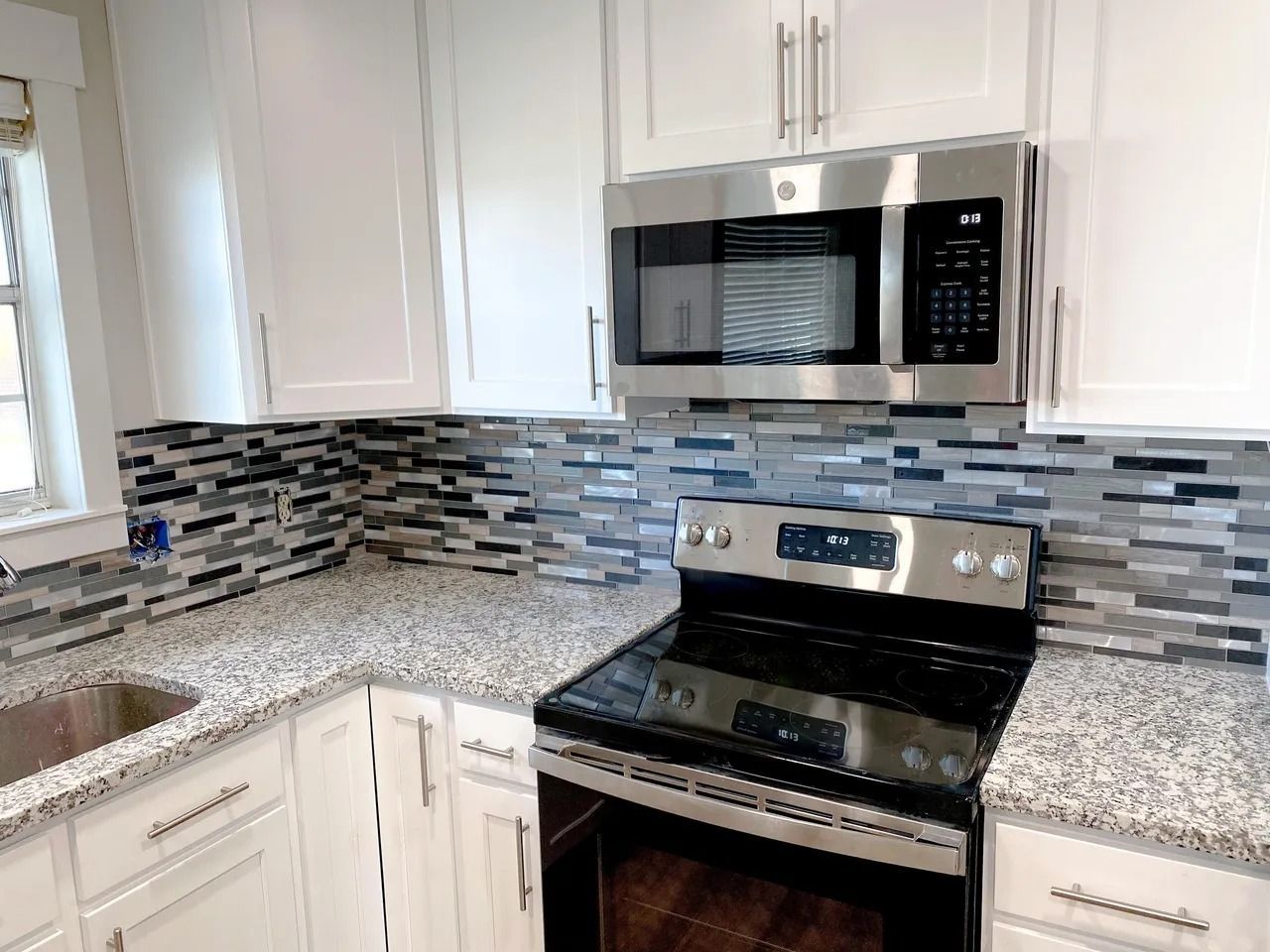
Are you contemplating a change in your living space in the beautiful Salt Lake, Tooele, or Utah counties? The thought of moving to a new house might cross your mind, but have you considered the alternative of remodeling your existing home? Renovating can offer numerous advantages over moving, allowing you to stay in the cities you love while transforming your current space into your dream home. Let’s explore five compelling reasons why you could consider remodeling instead of moving. 1. Preserving Community and Familiarity: Cities like Provo or Lehi are known for their vibrant communities, friendly neighborhoods, and welcoming environments. Moving to a new area means leaving behind the connections and familiarity you have built over the years. Remodeling your current home allows you to maintain your involvement in the community, keep your children in their current schools, and continue enjoying the amenities and services these cities have to offer. 2. Enhancing Your Property's Value: Real estate markets in Salt Lake, Tooele, and Utah Counties have been experiencing significant growth in recent years. By remodeling your home in sought-after cities, whether you’re in Kaysville or Orem, you can tap into this upward trend and increase its value. Thoughtful renovations, such as updating the kitchen or bathrooms, adding a home office or bedroom, or enhancing the curb appeal, can make your property more attractive to potential buyers in the future. It's an investment that can pay off when it comes time to sell. 3. Customization for Your Unique Lifestyle: Each homeowner has different needs and preferences when it comes to their living space. Remodeling your existing home allows you to tailor it to your specific lifestyle and requirements. Whether it's creating an open-concept layout, adding a home gym or theater, or designing a functional workspace, remodeling gives you the freedom to customize your home according to your unique vision. You can work closely with a contractor to ensure the renovations align with your lifestyle goals. 4. Cost-Effectiveness in a Competitive Market: The real estate market in Utah has become increasingly competitive, leading to rising prices and limited inventory. Instead of navigating the challenges of finding a new home in this competitive market, remodeling can provide a cost-effective alternative. By renovating your existing home, you can allocate your budget more efficiently and make strategic improvements that enhance its value and appeal without the additional costs associated with moving. 5. Maintaining Proximity to Desired Locations: Cities like Cottonwood Heights, Herriman, and American Fork offer a range of attractions and amenities, from breathtaking mountain views to proximity to outdoor activities and cultural events. If you are content with the location and access to these desirable areas, remodeling allows you to stay close to the places you love. You can enjoy the benefits of the existing infrastructure, nearby services, and the sense of belonging that comes with being part of these vibrant communities. When considering a change in your living space, remodeling your current home presents numerous advantages over moving to a new property.